
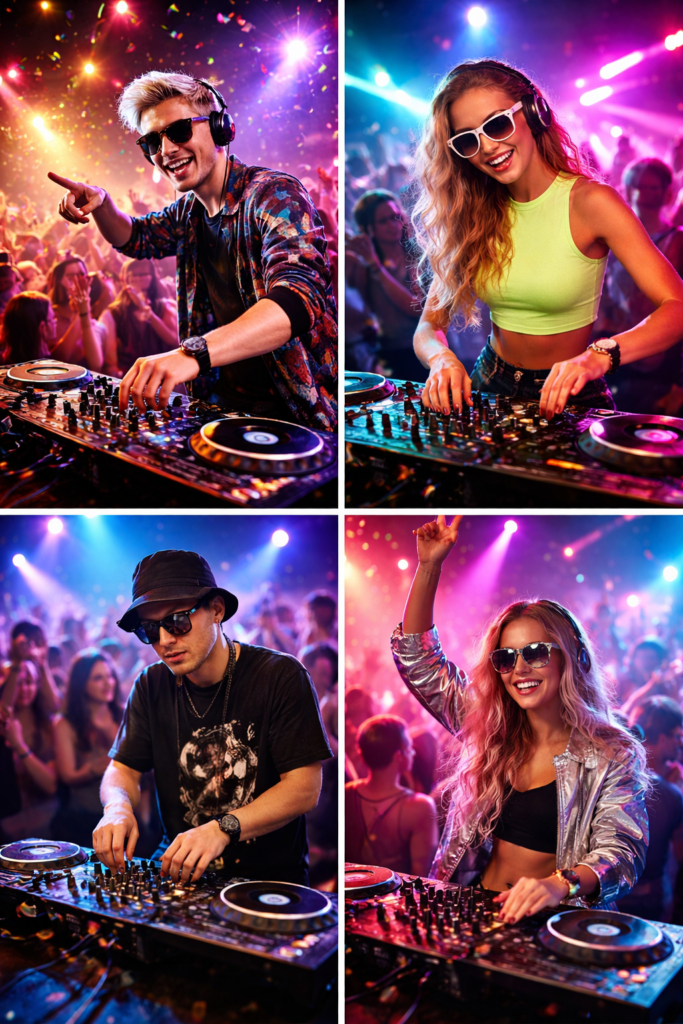
In recent decades, DJs have evolved far beyond their traditional role of playing music in clubs. Today, DJs stand as powerful pop culture icons and influential figures in shaping youth trends around the world. Through music, fashion, digital media, and lifestyle, DJs have become symbols of creativity, freedom, and modern youth identity.
The rise of electronic dance music (EDM) has played a major role in transforming DJs into global celebrities. Large-scale music festivals, international tours, and viral performances have positioned DJs alongside pop stars and rock musicians. Unlike traditional artists, DJs often connect with their audiences in real time, creating an interactive experience that resonates strongly with younger generations seeking emotional connection and communal energy.
One reason DJs have become pop culture icons is their ability to reflect and shape youth culture. Young people are drawn to DJs not only for their music but also for what they represent: independence, self-expression, and innovation. DJs often begin their careers outside formal institutions, relying on creativity and digital platforms to build their audience. This do-it-yourself approach mirrors the mindset of modern youth, who value authenticity and personal branding.
Fashion is another important element in the rise of DJs as cultural icons. DJs influence trends in streetwear, nightlife fashion, and festival style. Their appearance on stage—ranging from casual street outfits to bold, futuristic designs—often inspires fans to adopt similar looks. Sunglasses, headphones, oversized clothing, and unique accessories have become symbols closely associated with DJ culture, reinforcing their visual identity in popular media.
Social media and digital platforms have significantly amplified the influence of DJs among young audiences. Platforms such as Instagram, TikTok, YouTube, and streaming services allow DJs to connect directly with fans, share behind-the-scenes moments, and promote new music instantly. Through these channels, DJs are no longer distant performers but relatable figures who share their creative process and personal stories. This accessibility strengthens their role as trendsetters and role models in youth culture.
DJs also influence youth trends through lifestyle and values. The club and festival scene promotes ideas of freedom, diversity, and inclusivity, which resonate strongly with younger generations. Music events become spaces where people from different backgrounds come together, breaking social boundaries through shared rhythm and energy. In this context, DJs act as cultural leaders who guide collective experiences and encourage unity.
Moreover, DJs have become symbols of global culture. Their music transcends language and nationality, allowing them to reach audiences worldwide. Many DJs blend local sounds with global electronic styles, creating hybrid identities that reflect the interconnected world of today’s youth. This global-local balance makes DJs especially relevant in an era where young people constantly navigate between tradition and modernity.
However, the influence of DJs as pop culture icons also comes with challenges. The pressure to maintain relevance, visual appeal, and online presence can be intense. Youth often view DJs as aspirational figures, which can sometimes create unrealistic expectations about success and lifestyle. Despite this, many DJs are now using their platforms responsibly, promoting mental health awareness, sustainability, and positive social messages.
In conclusion, DJs have become more than music performers; they are pop culture icons and drivers of youth trends. Through sound, style, digital engagement, and global influence, DJs shape how young people express themselves and connect with the world. As youth culture continues to evolve, DJs will likely remain at its center—blending music, identity, and innovation into a powerful cultural movement.
Leave a Reply